Resources to support the teaching of partitioning and place value objectives.
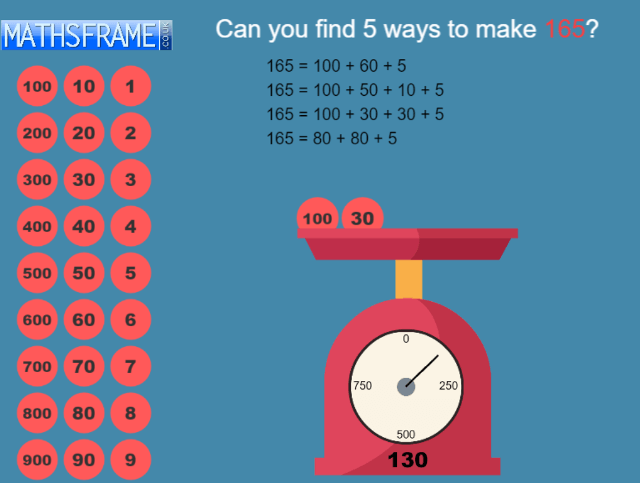
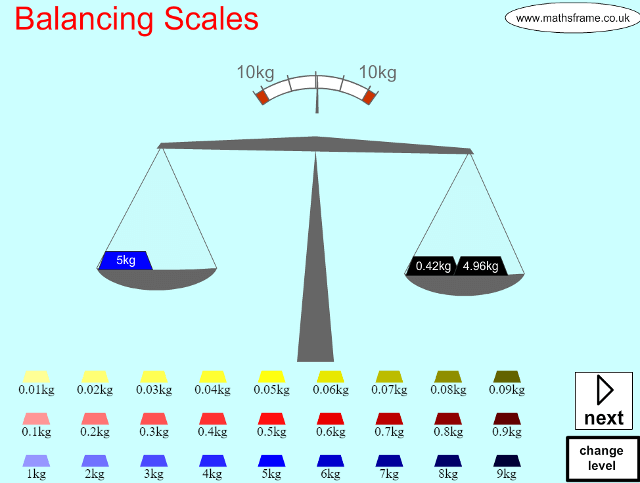
Add weights to either pan until they are balanced. Can be used to teach addition, subtraction, partitioning, and mass, as well as developing an understanding of the equals sign.
Choose from grams, whole kilograms or kilograms with either 1 or 2 decimal places.
For more addition and subtraction resources click here.
For more partitioning resources click here.
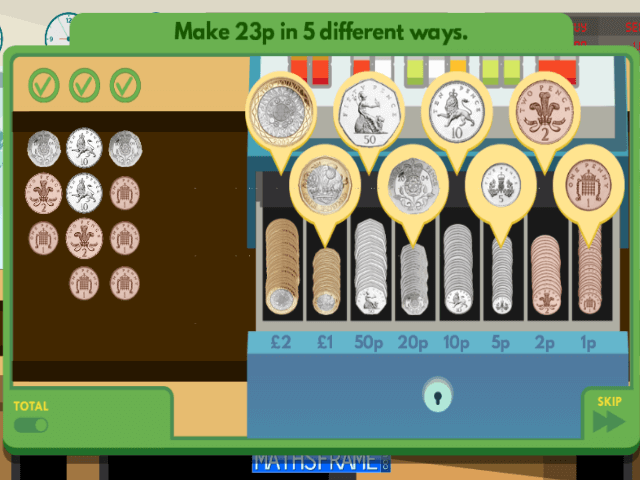
Find 5 ways to partition the same number. Choice of whole numbers and decimals.
For more resources involving partitioning and place value click here.
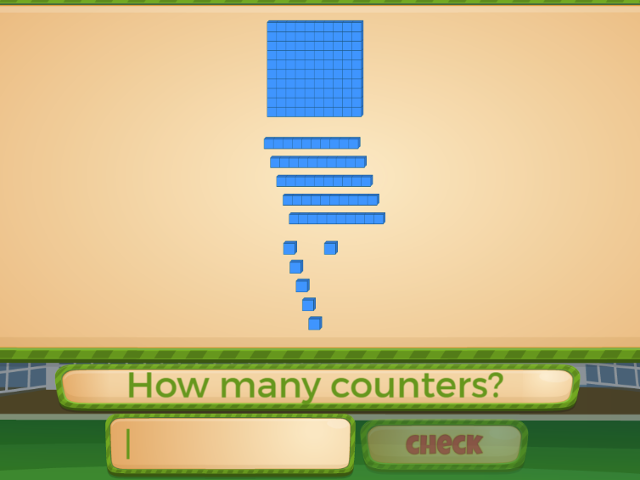
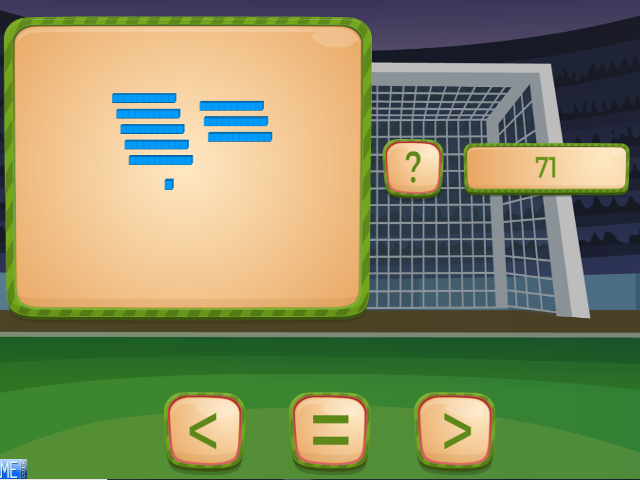
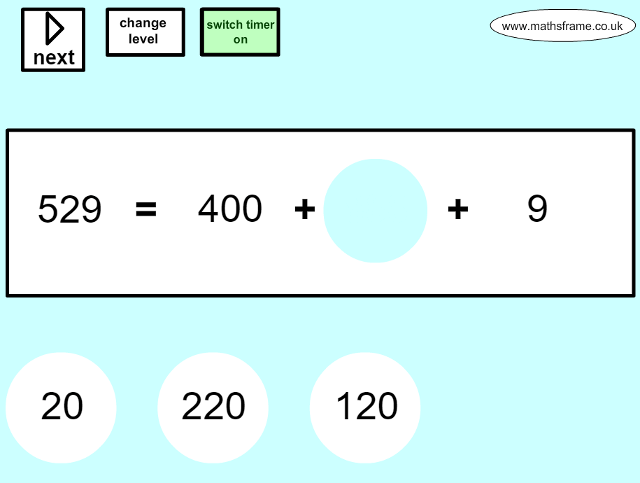
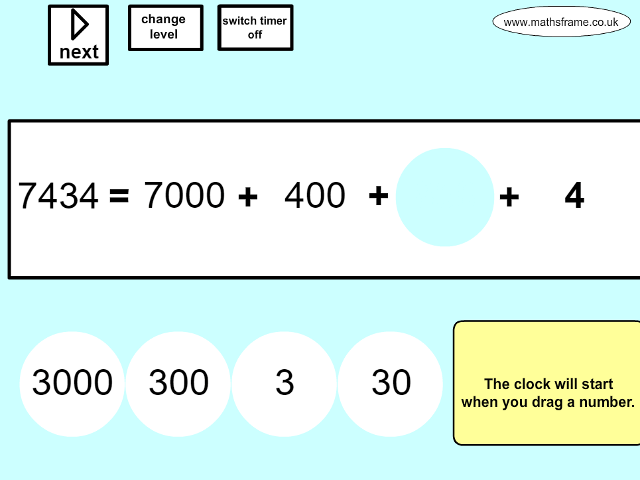
Partition numbers in different ways. Choice of whole numbers and decimals.
Partition numbers into their simplest forms. Choice of whole numbers and decimals.
Recombine numbers which have been partitioned. Choice of whole numbers and decimals.
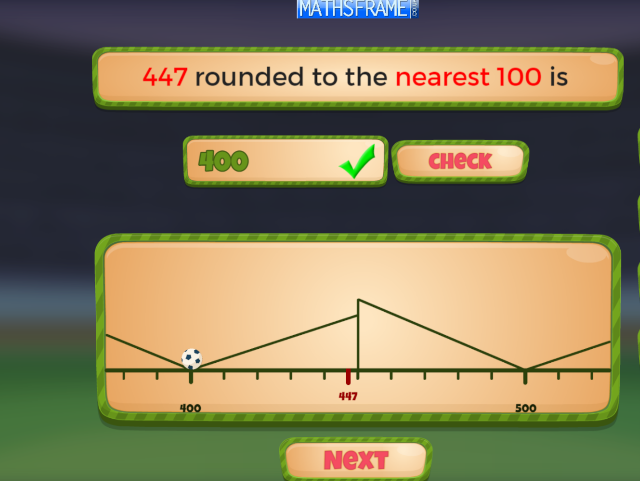
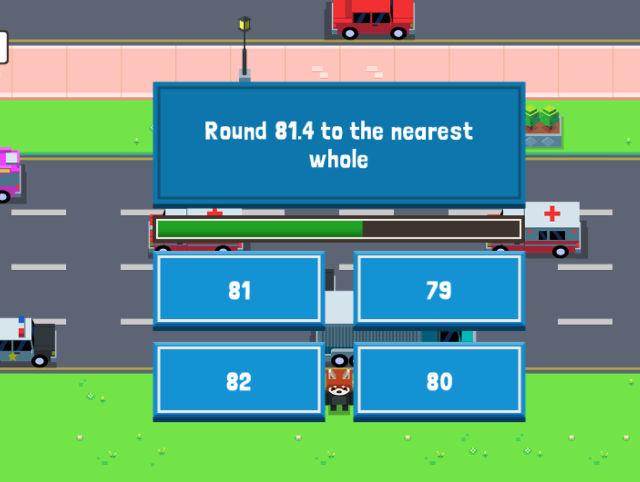
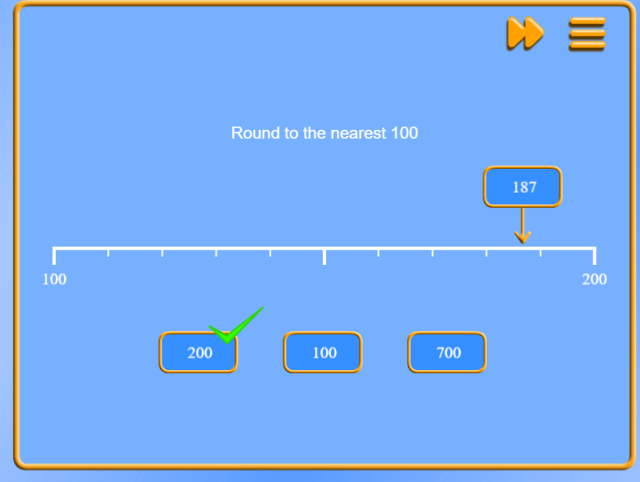
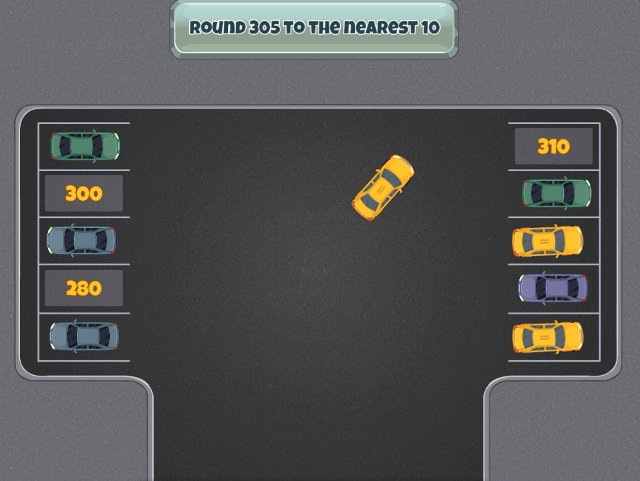
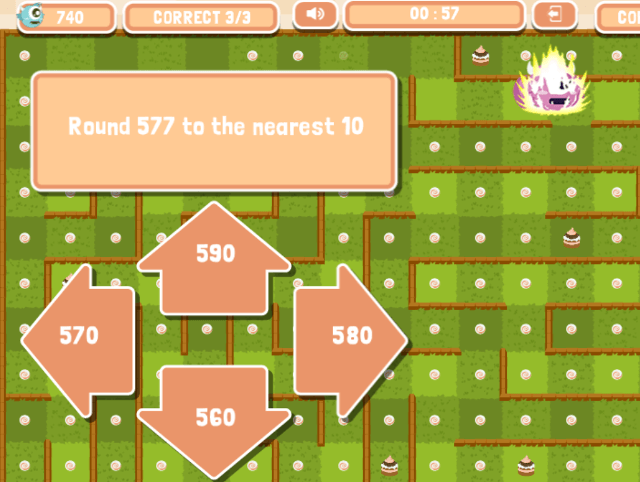
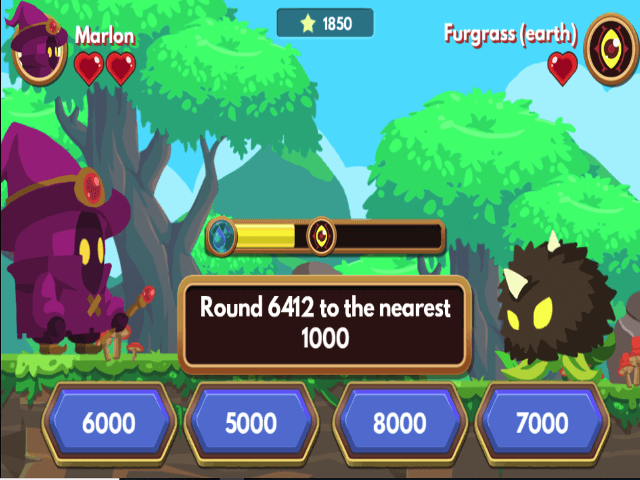
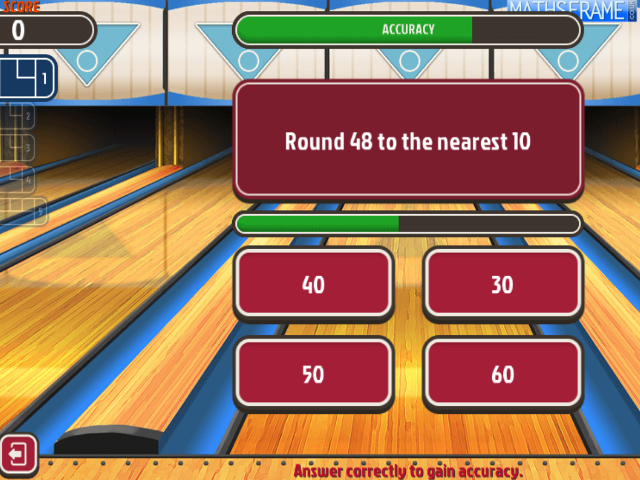
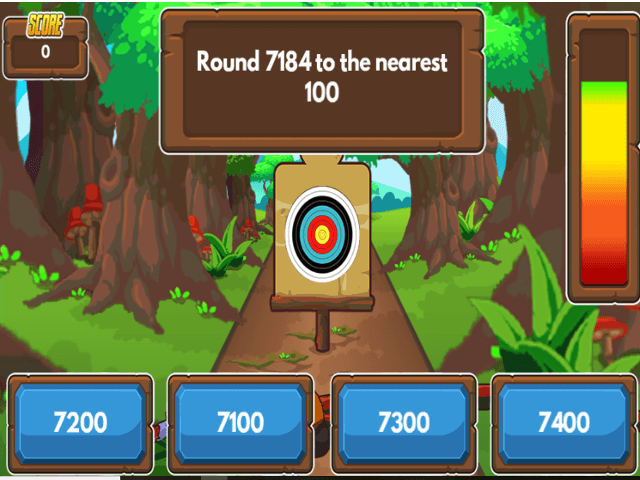
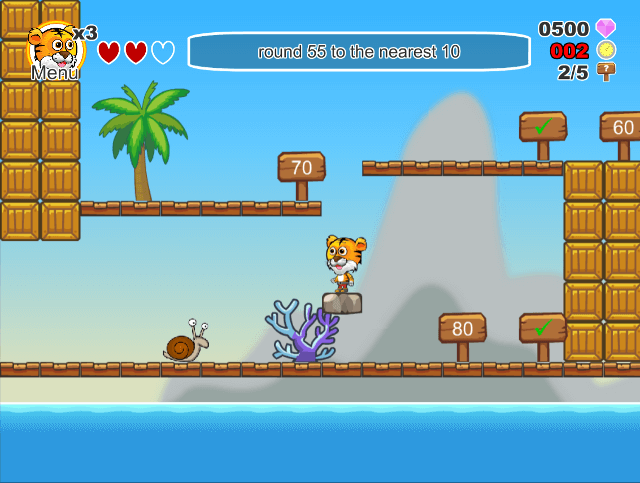
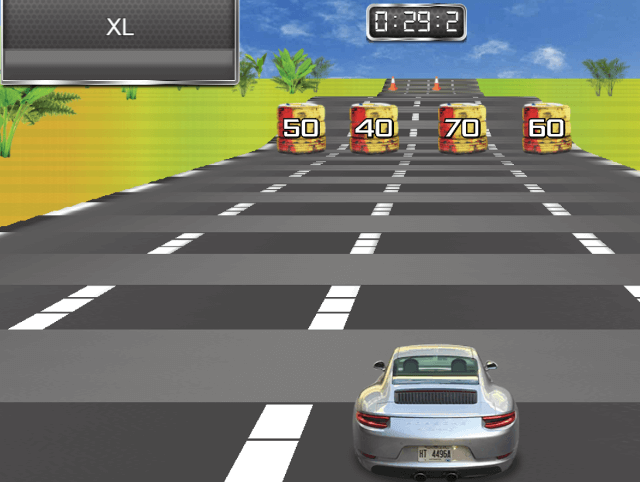
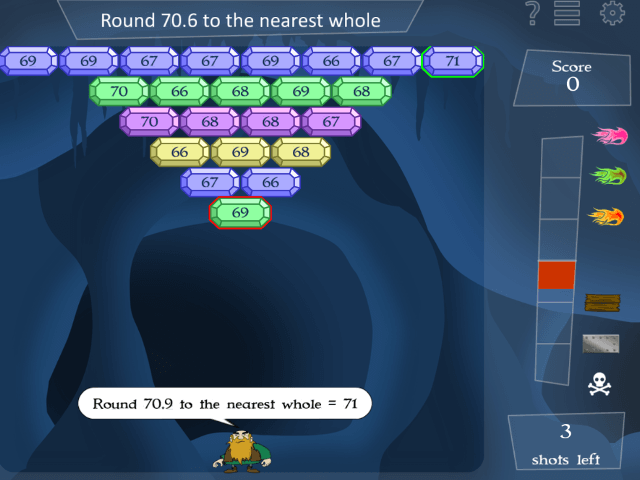
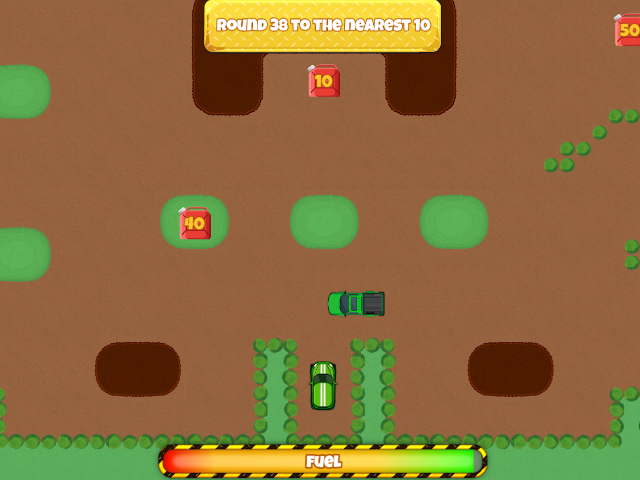
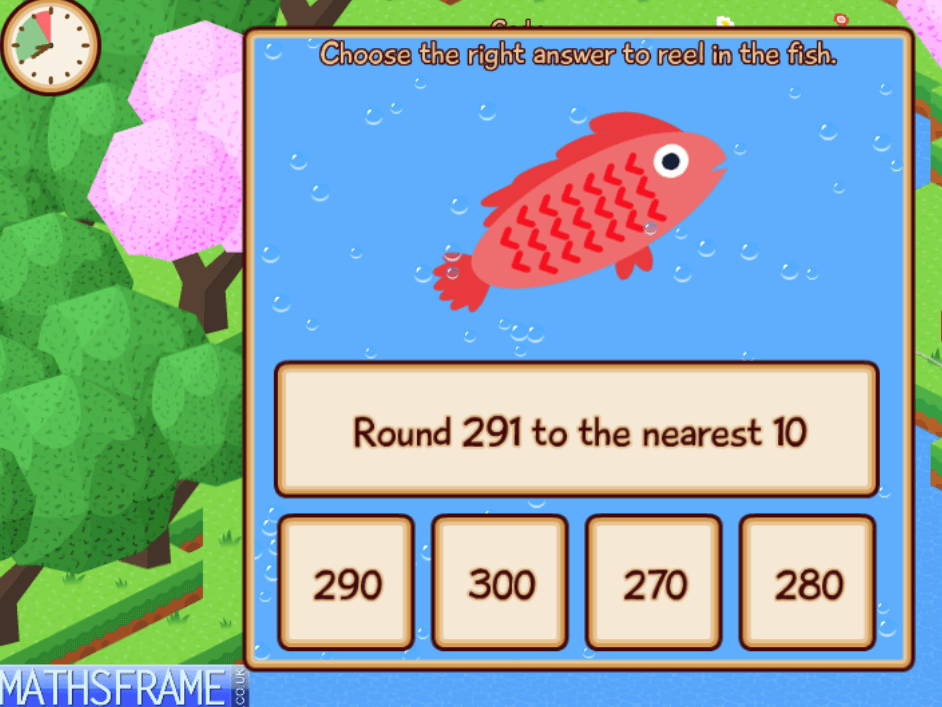
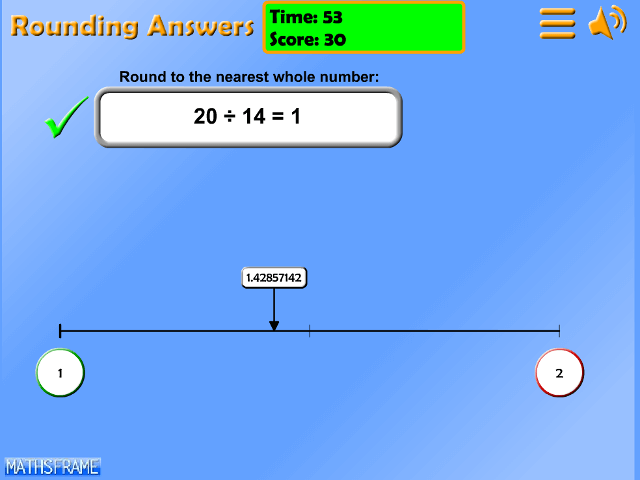
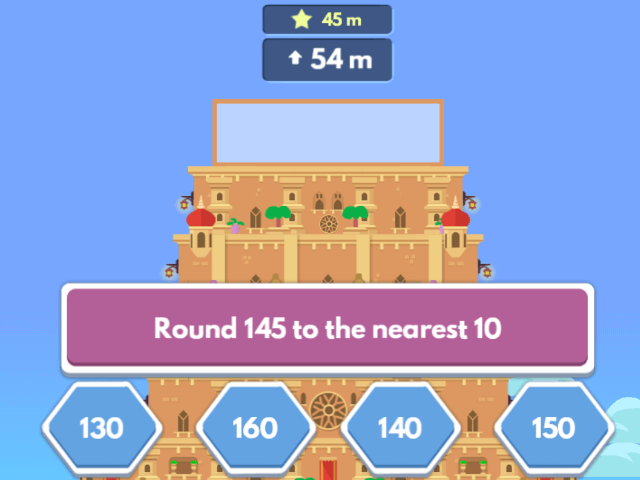
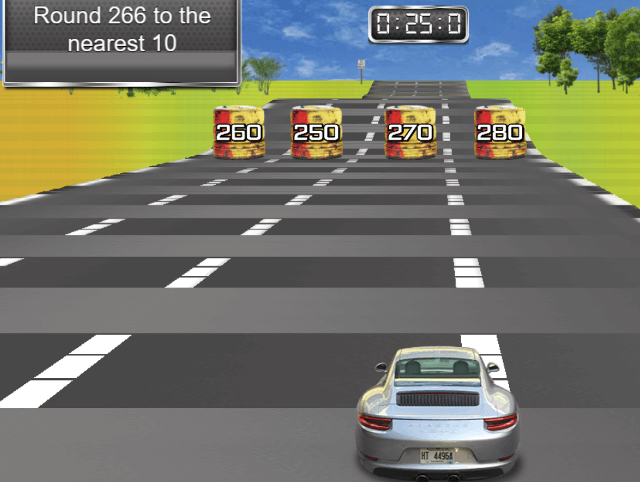
Round 3-digit or 4-digit numbers to the nearest 10 or 100. Round decimals to the nearest whole number, or to 1 decimal place.
Recognise the value of an underlined digit . Choice of whole numbers and decimals.
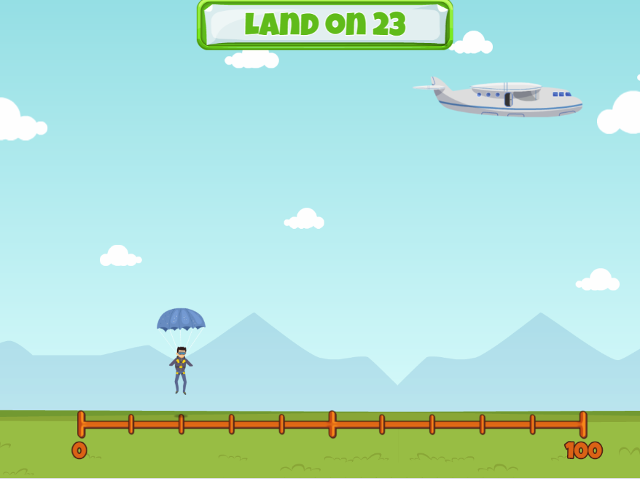
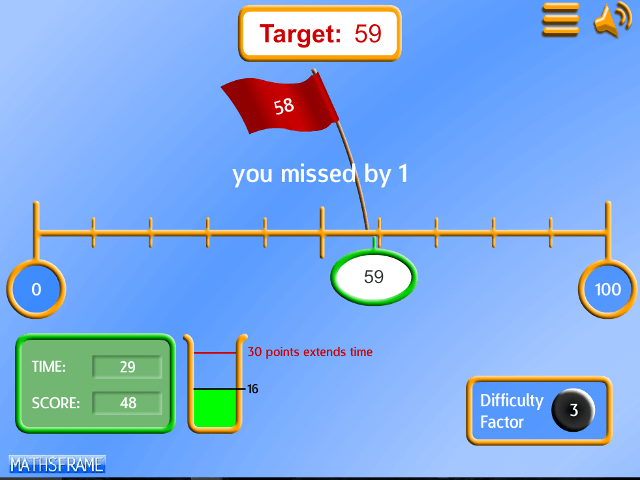
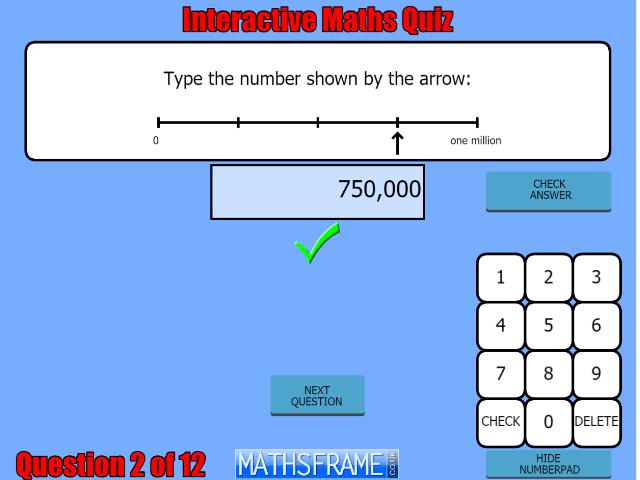
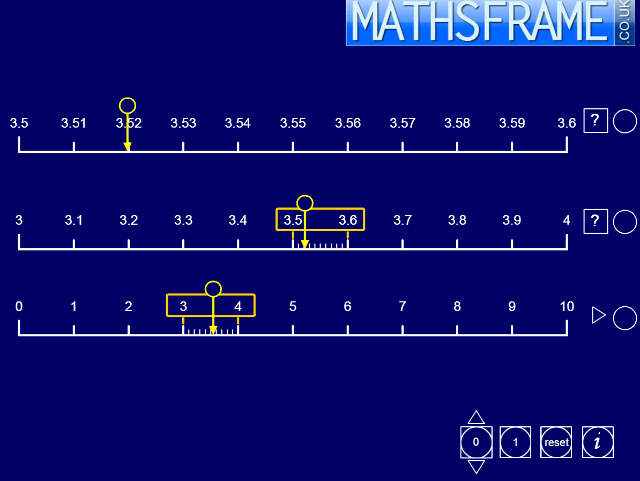
Drag the arrow to the correct point on a number line. Lots of choice over level, inculding whole numbers, negative number, decimals, fraction and multiples. Can be used to teach place value, approximation skills, and reading varying scales.
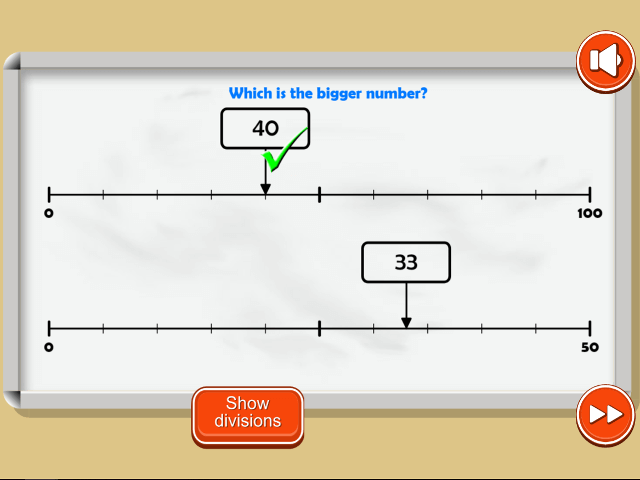
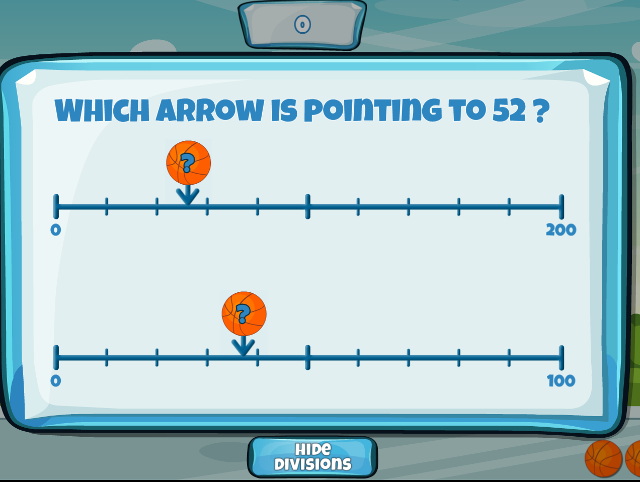
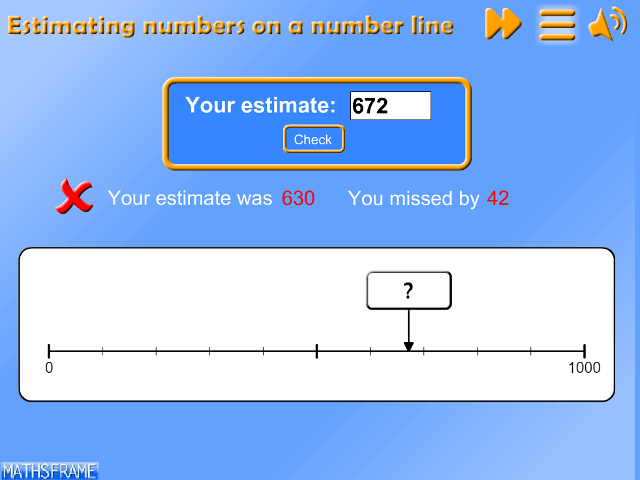
Estimate the number on a number line. Can be used to teach estimation and reading varying scales. Lots of choice of scale. Choose whole numbers, decimals or negative numbers, or create your own scale.
I ask children to write their estimates on mini-whiteboards, and then click on 'show divisions' and ask the children to re-assess their estimations.
An incredibly versatile teaching tool. You can change the start number and change the step size, then try and find the hidden number. Choose from several difficulty levels. Ask the children to discuss the different methods they could use to find the missing number.
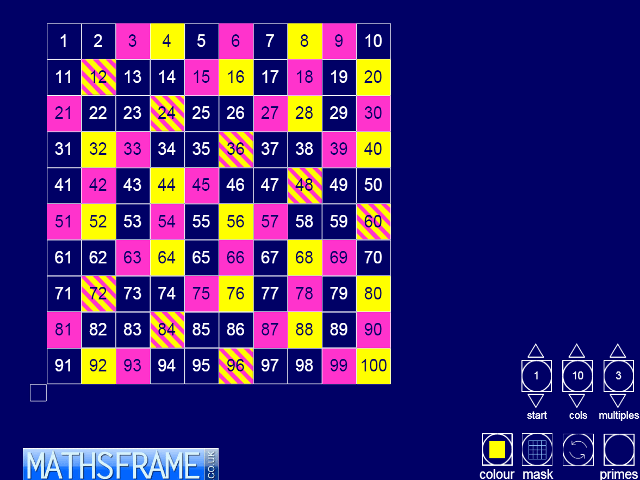
Can be used to explore sequences (including negative numbers and decimals), multiplication tables, as well as reasoning about numbers.
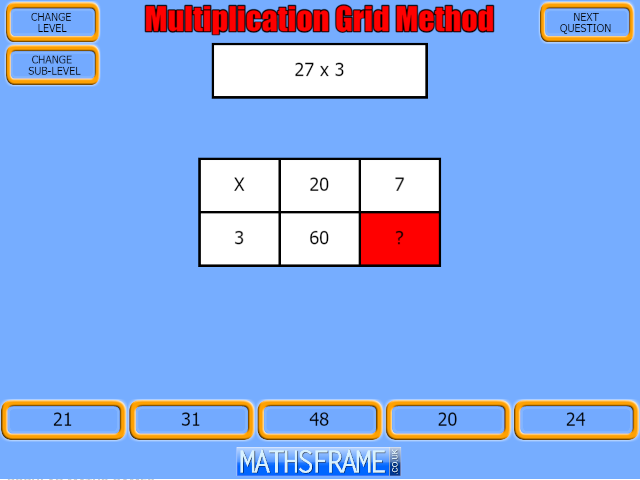
Multiply partitioned numbers using the grid method. Lots of choice of levels, inculding decimals.
For more multiplication and division resources click here.
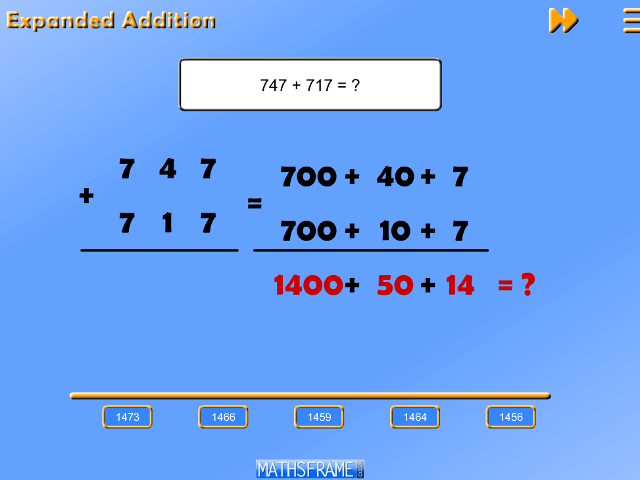
Add the partitioned numbers beginning with the largest. Choice of 2-digit, 3-digit or 4-digit numbers. An important conceptual step before a more formal method of column addition.
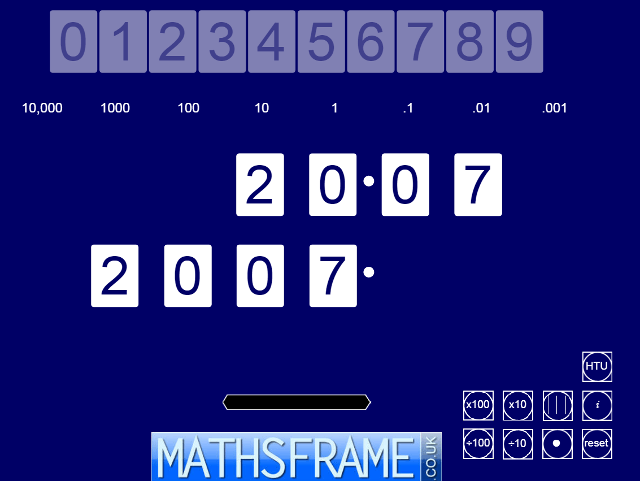
Explore the effect of multiplying and dividing by 10 and 100.
This resources is freely available to download from the archived Primary Framework site.
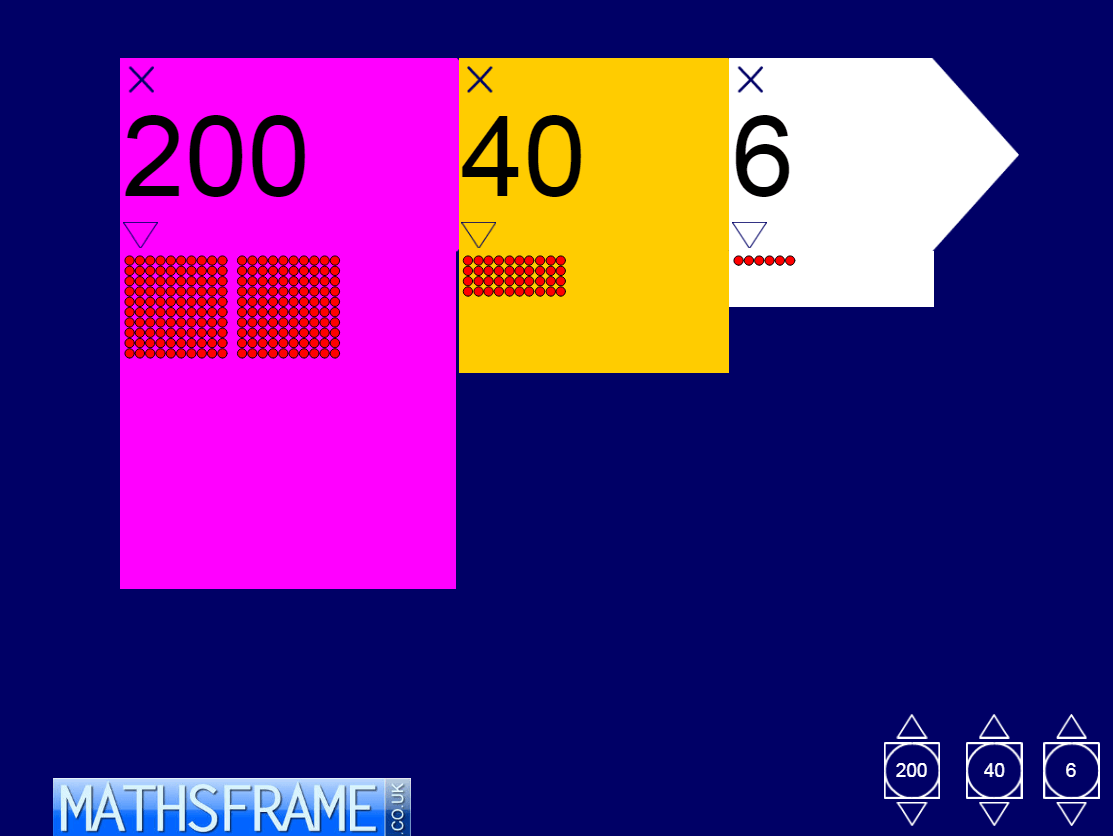
Partition numbers using arrow cards.
Partition numbers using beadsticks.
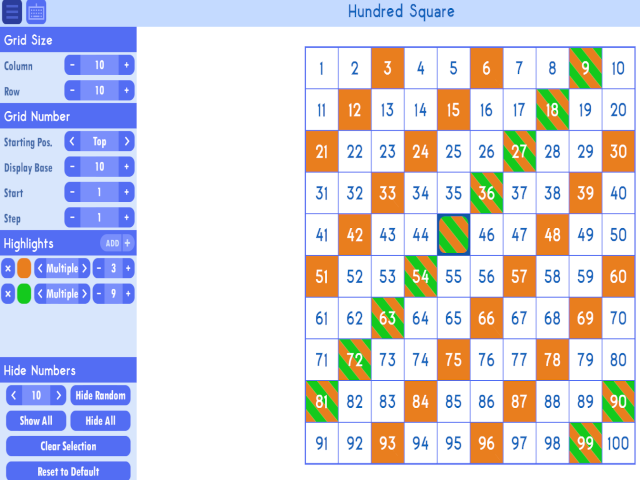
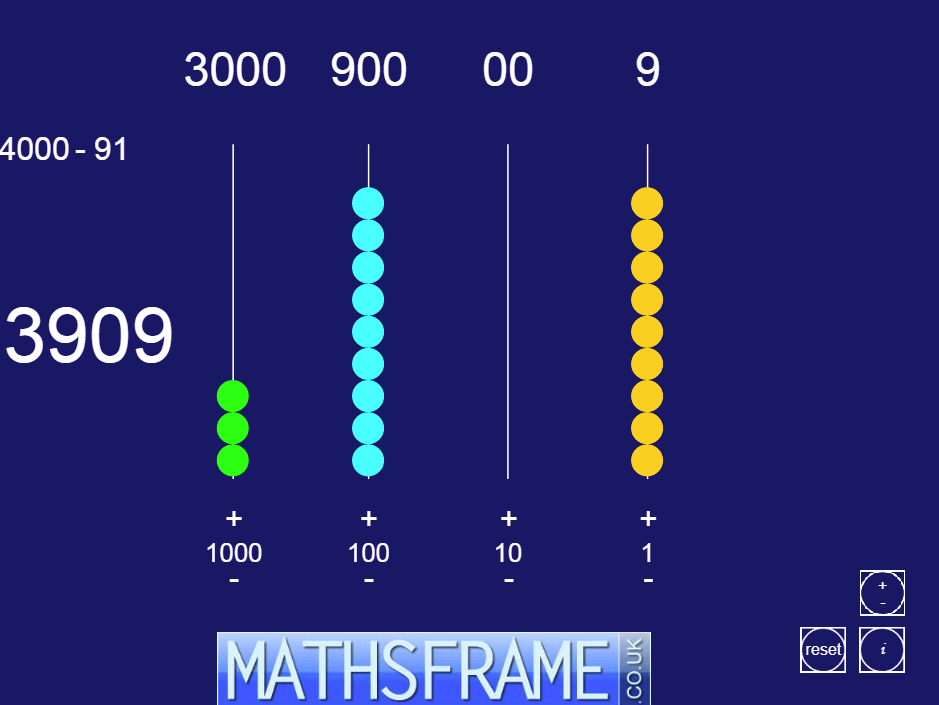
Can be used to explore addition and subtraction, multiples and number patterns.